Xbox Avatars
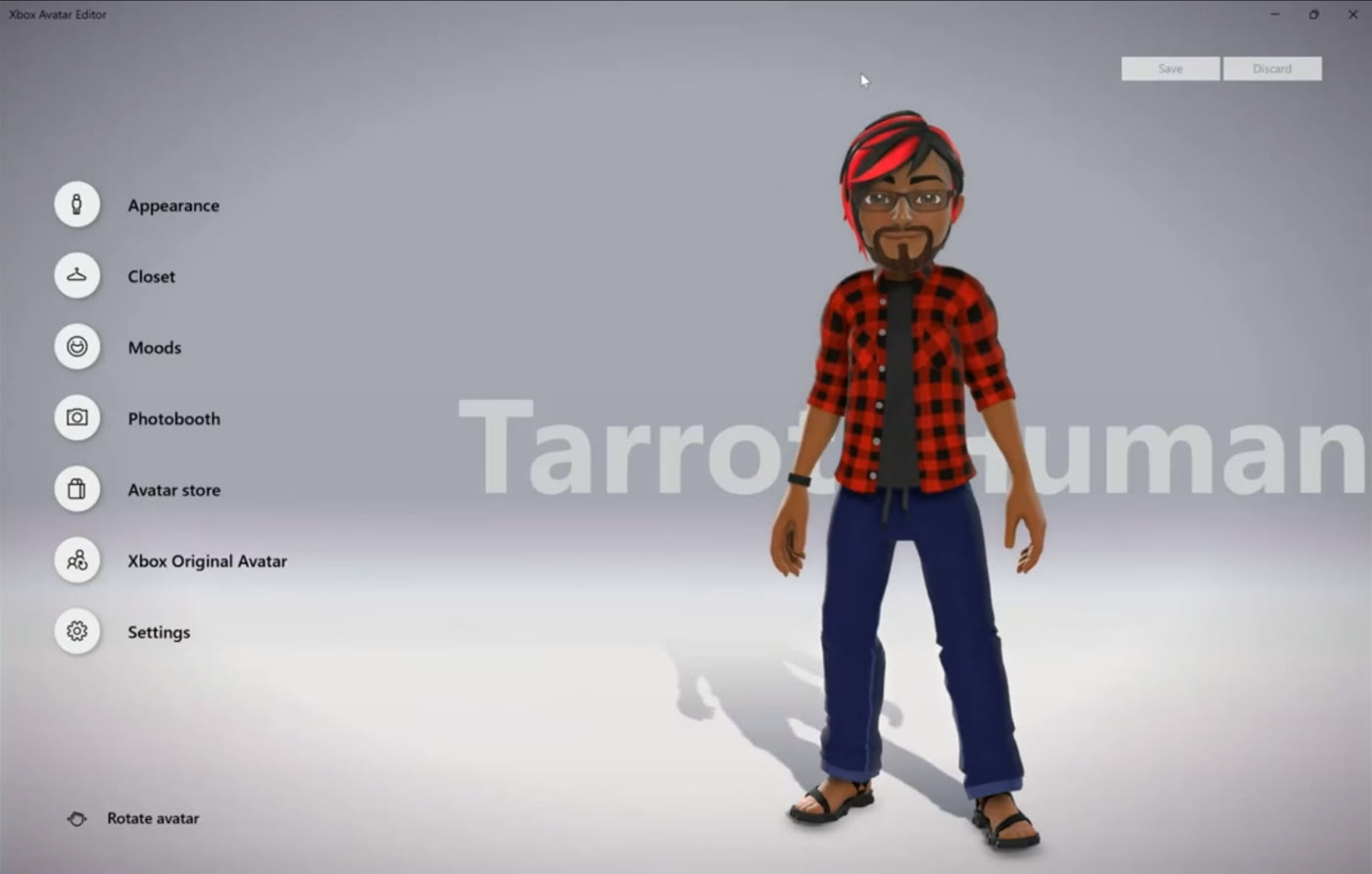
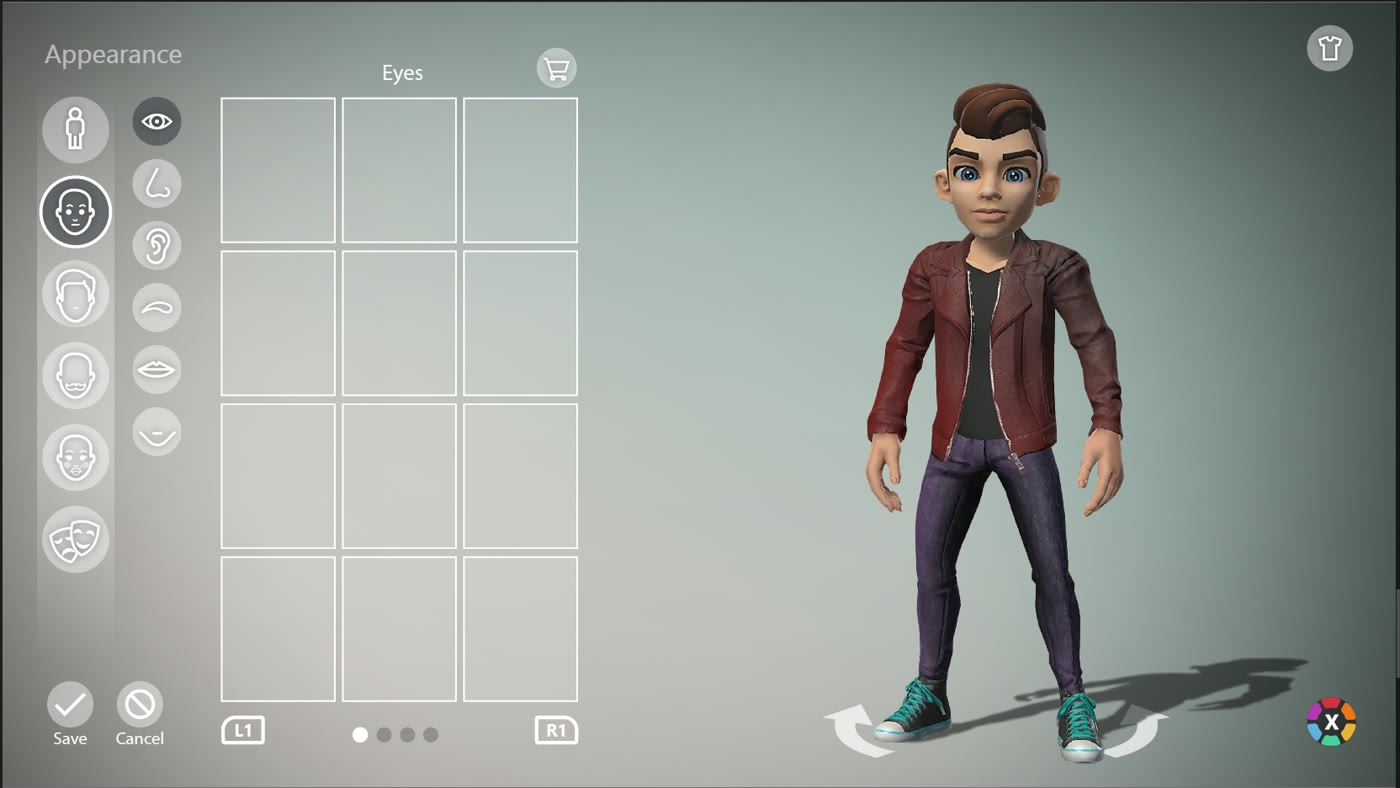
Mark Kobrin brought me on to lead UI/UX for the next generation of Xbox avatars. We were the two leads and worked extremely collaboratively: Mark focused on the overall story and how the avatars looked, and I was in almost complete charge of the user experience.
I was only on the project for a short time and moved on before the final design, but I built the UX foundation it grew from: the customization model and the prototype on Xbox Live. I then pivoted to polishing visuals for the Xbox leadership video.
- Role
- UI/UX design lead
- Services
- UX designUI designUser researchPrototyping
- Client
- Xbox
- Team
- 5 people
- Platforms
- Xbox and PC
- Year
- 2015
The problem
The original avatars put people in a box. Gamers wanted to see themselves:
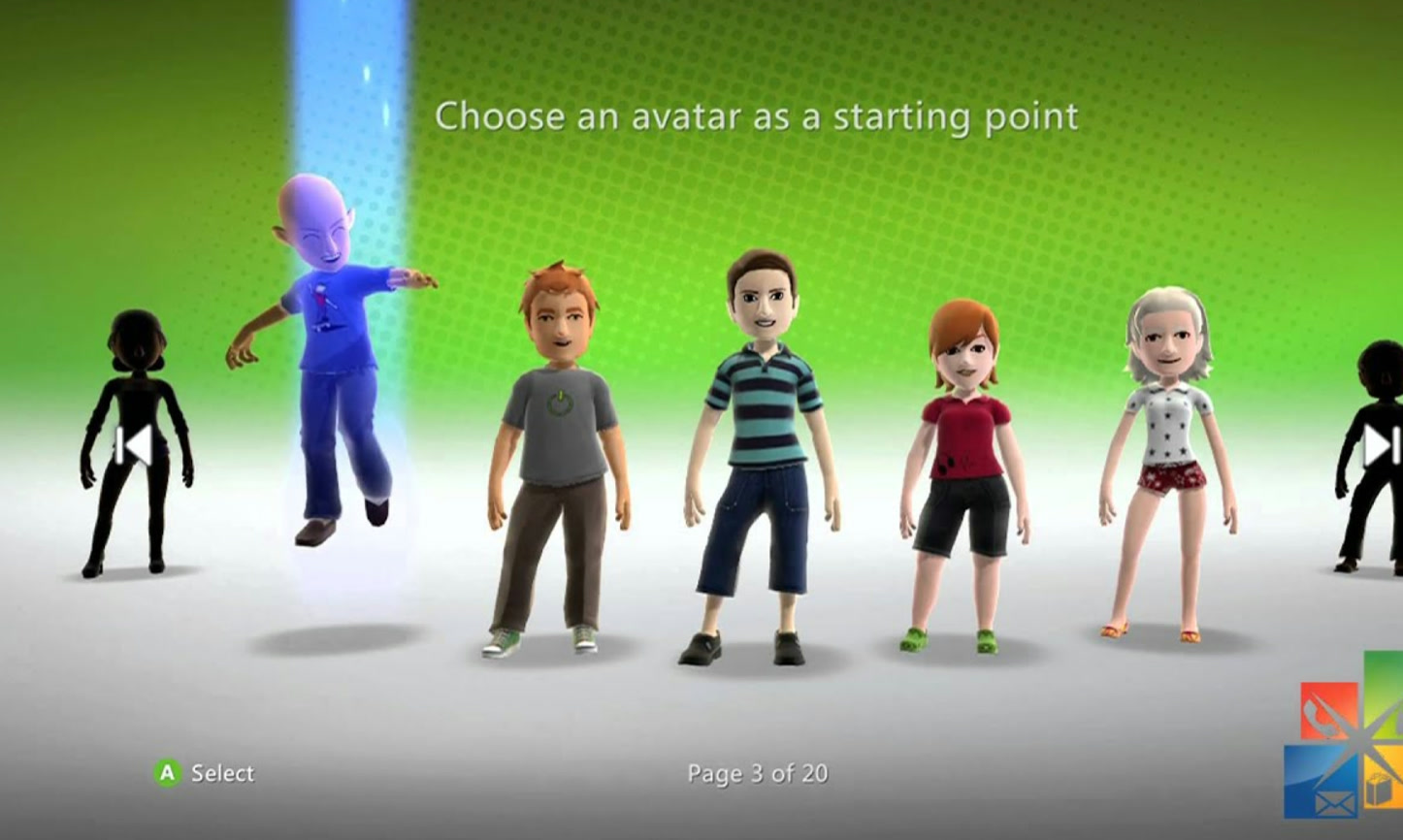
- 1Gamers felt the avatars lacked physical representation.
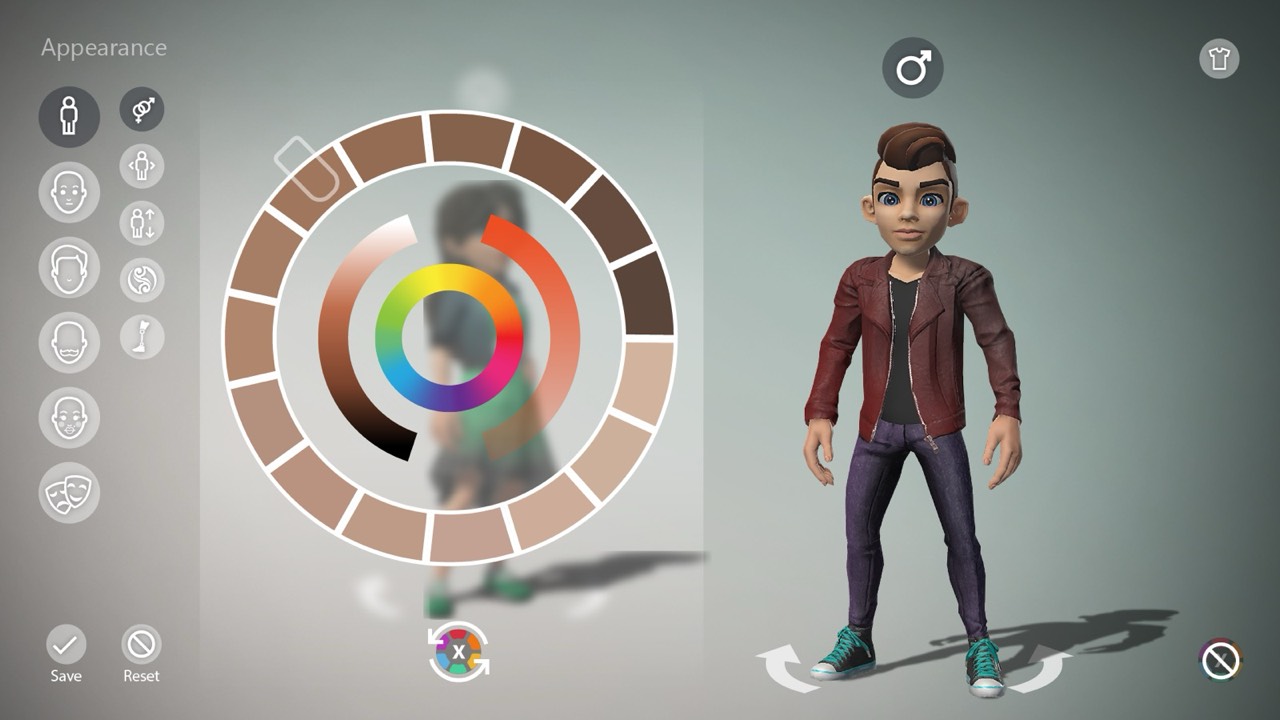
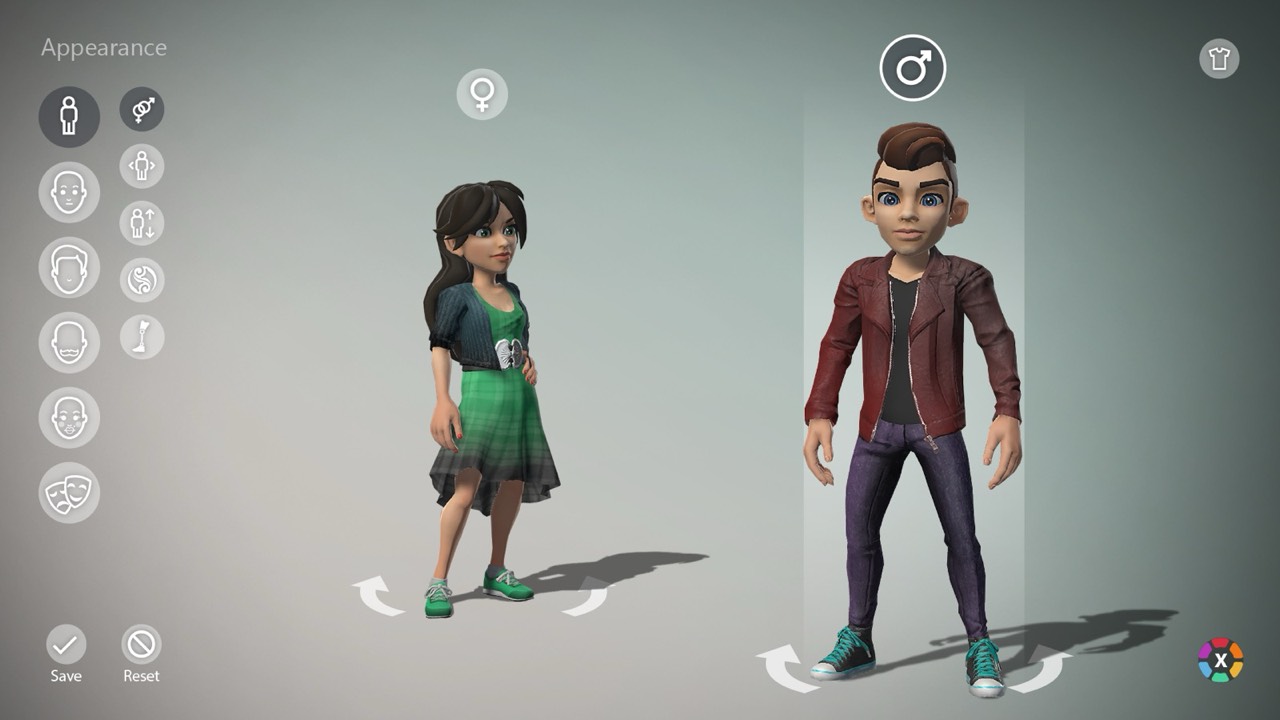
- 2LGBTQ gamers were frustrated by gender-gated customization options.
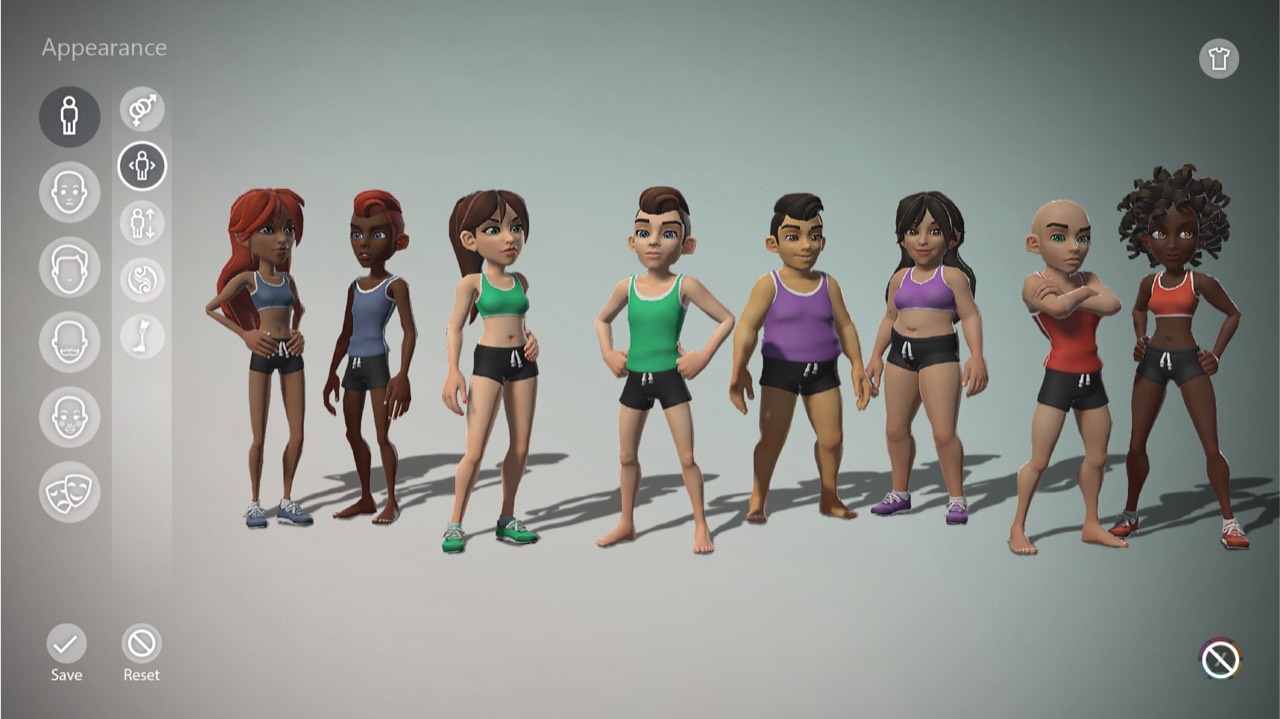
- 3Gamers complained about the lack of different body types.
- 4People wanted full control over how their avatar looks.
Starting from the ground up
The business goals were diversity, taking avatars beyond Xbox as your presence in any social Microsoft product, and growth. My design goals were dynamic UI in a 3D space, a wardrobe for saved outfits, better social interactions, and an experience that stays inclusive and simple for accessibility.
I researched how games handle character creation, from simple to very in-depth, especially how UI sits around the character.
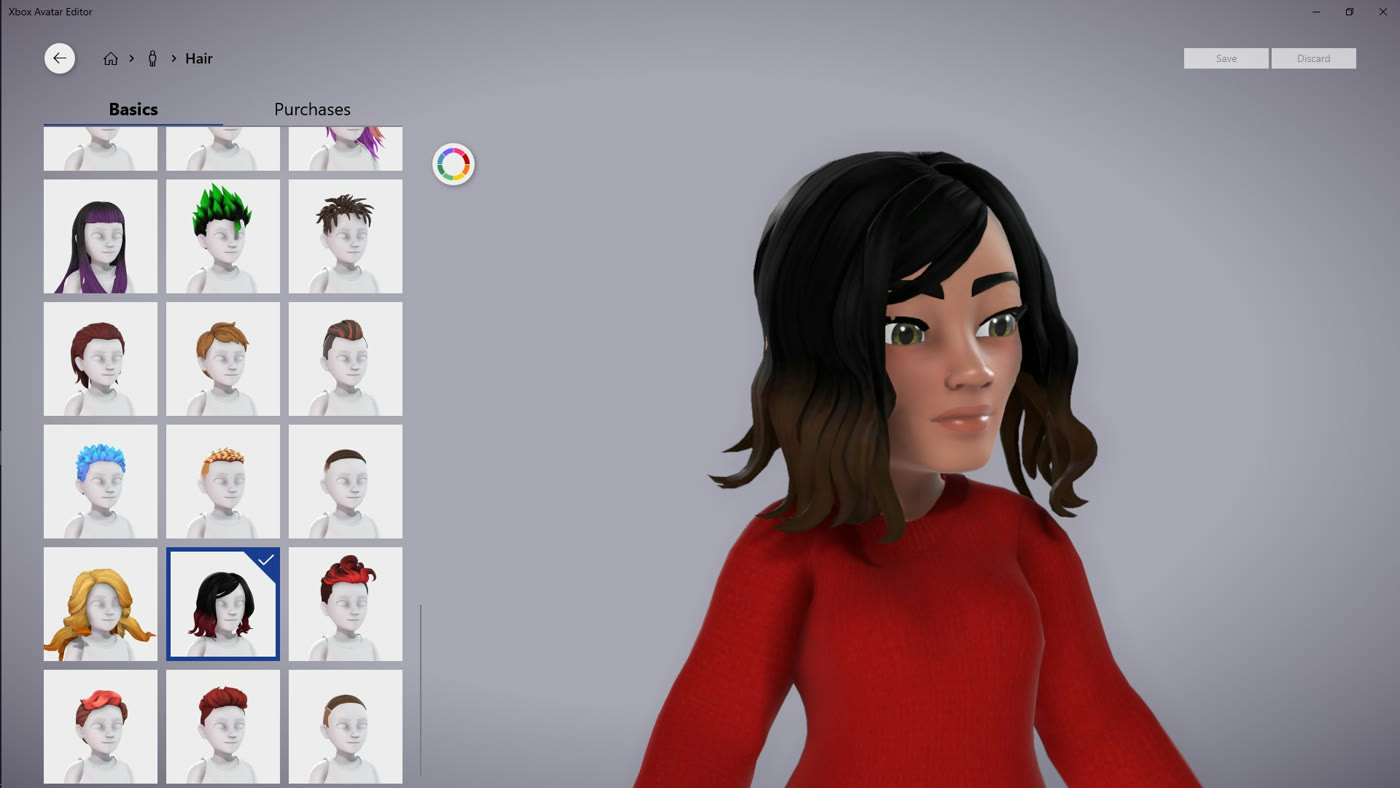
My idea was to treat clothing differently: a wardrobe that saves your favorite clothes and accessories, and outfits you can swap in one step.
I looked far beyond games, especially at mobile UI. It's simple, and touch patterns translate well to a game controller.
Finding the style
Mark worked with art studios on concept art for a new character design, and we narrowed it down with group user research.
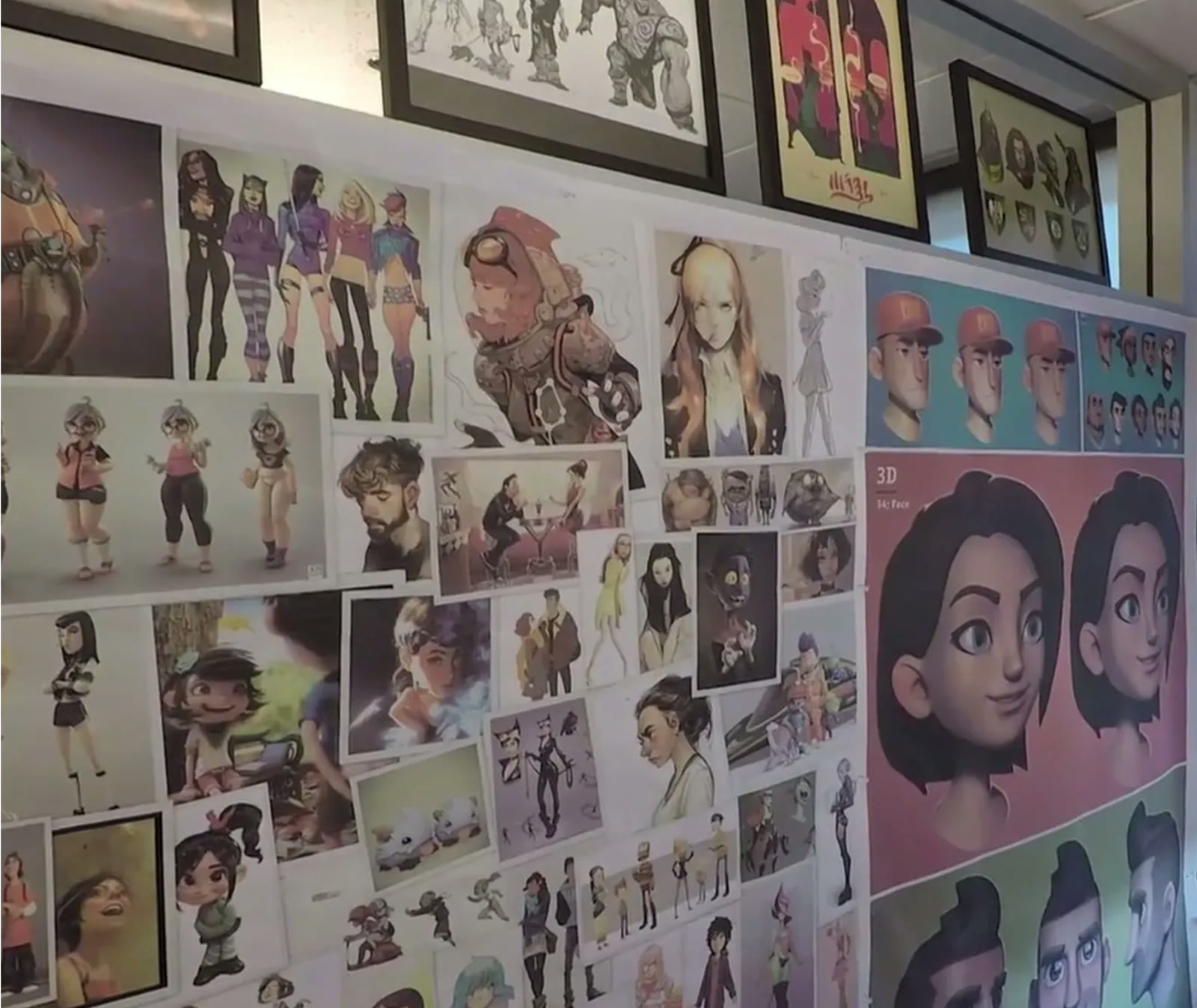
The research sessions were mostly male, and the feedback was biased: most negative comments were on the female model, with almost none on the male one. I advocated for proper representation and backed it with data:
Interaction models
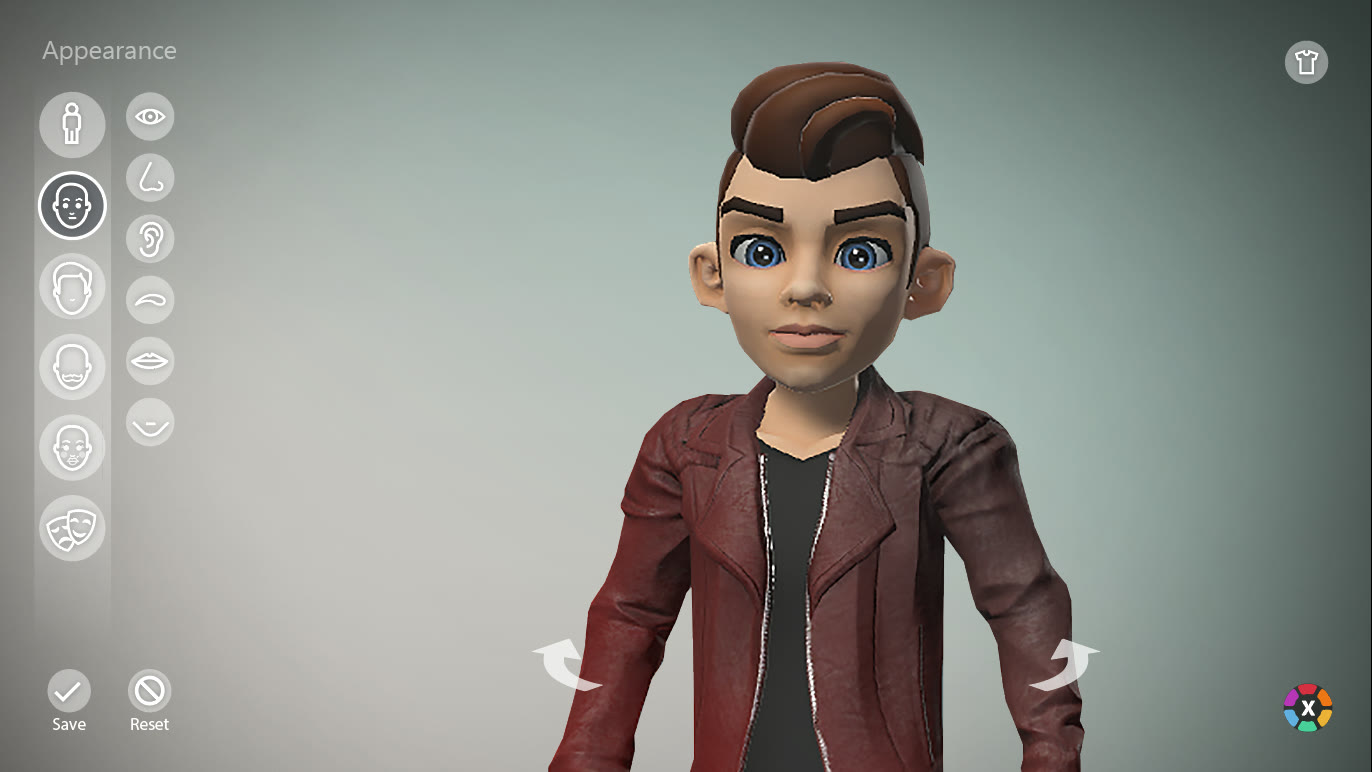
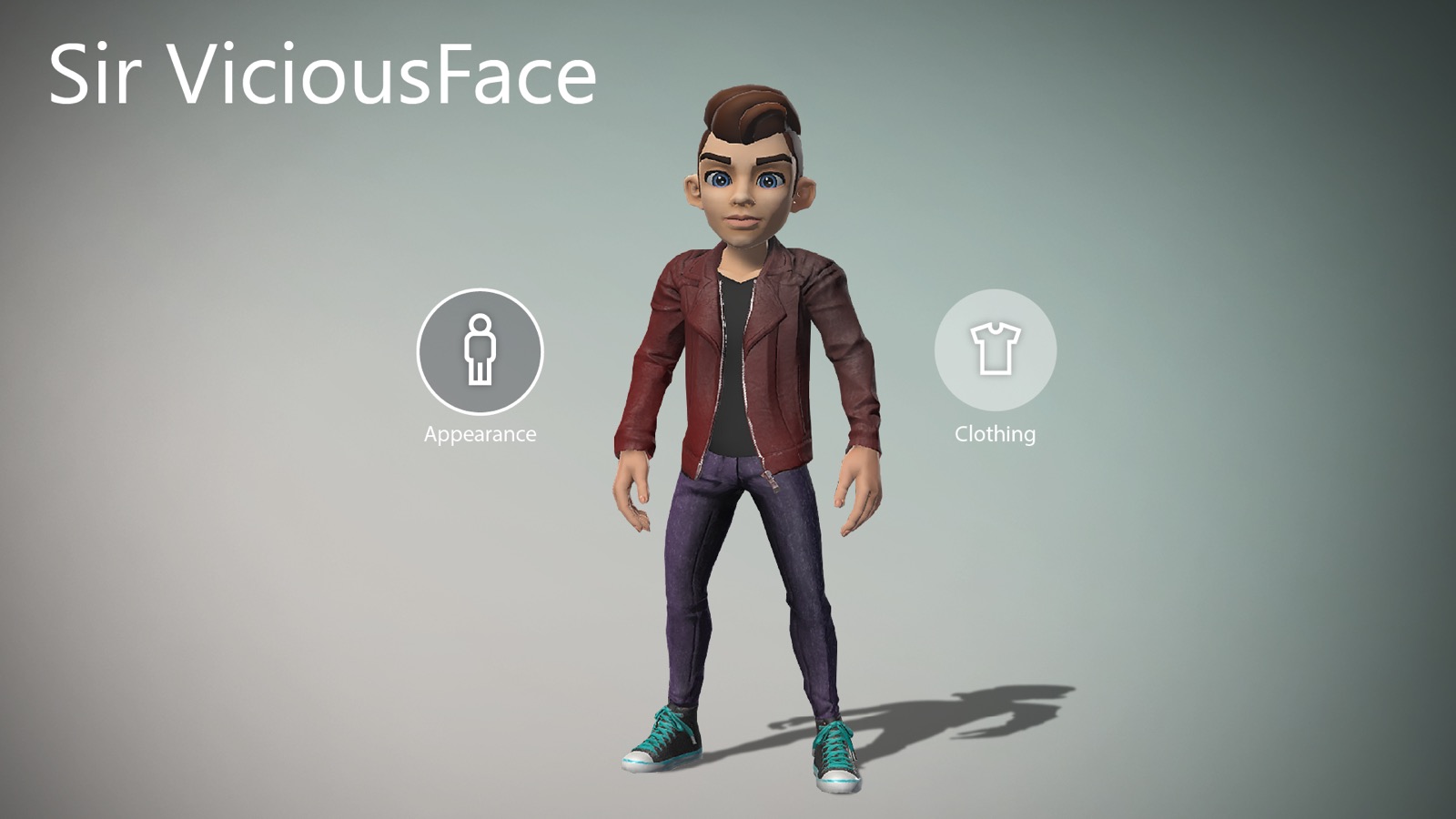
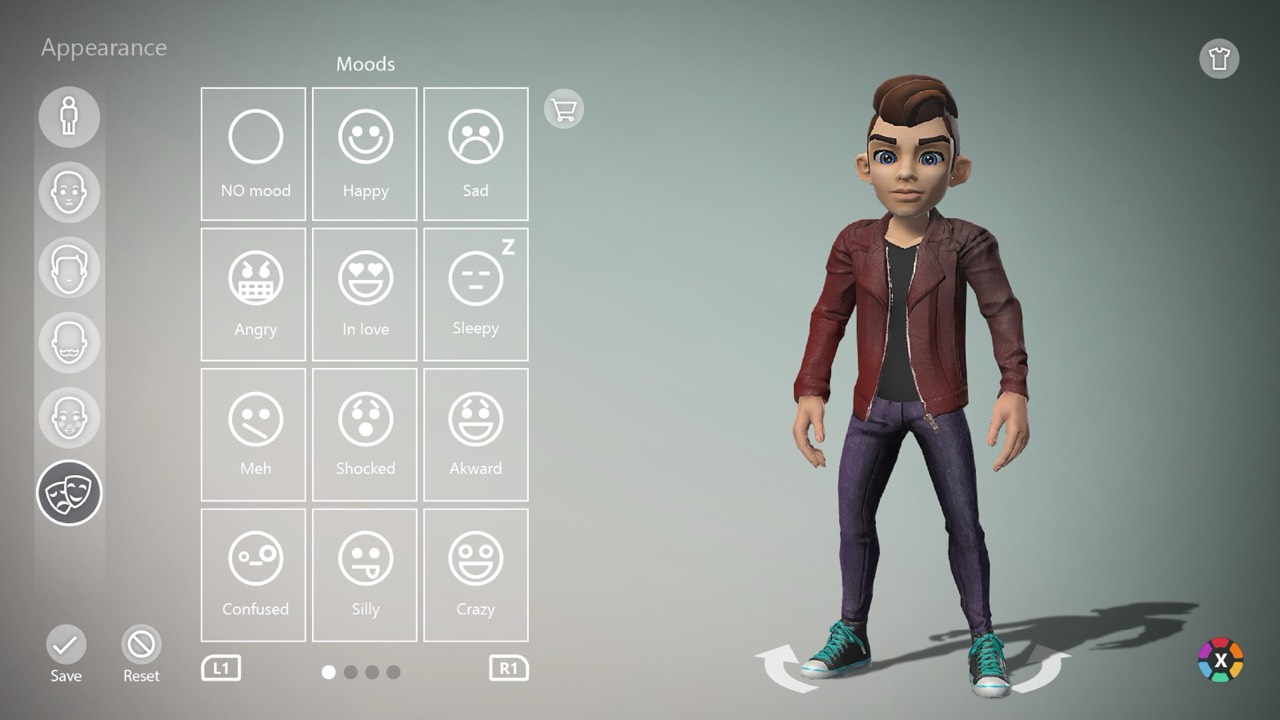
My first interaction models explored how the UI could live in 3D space around the avatar.
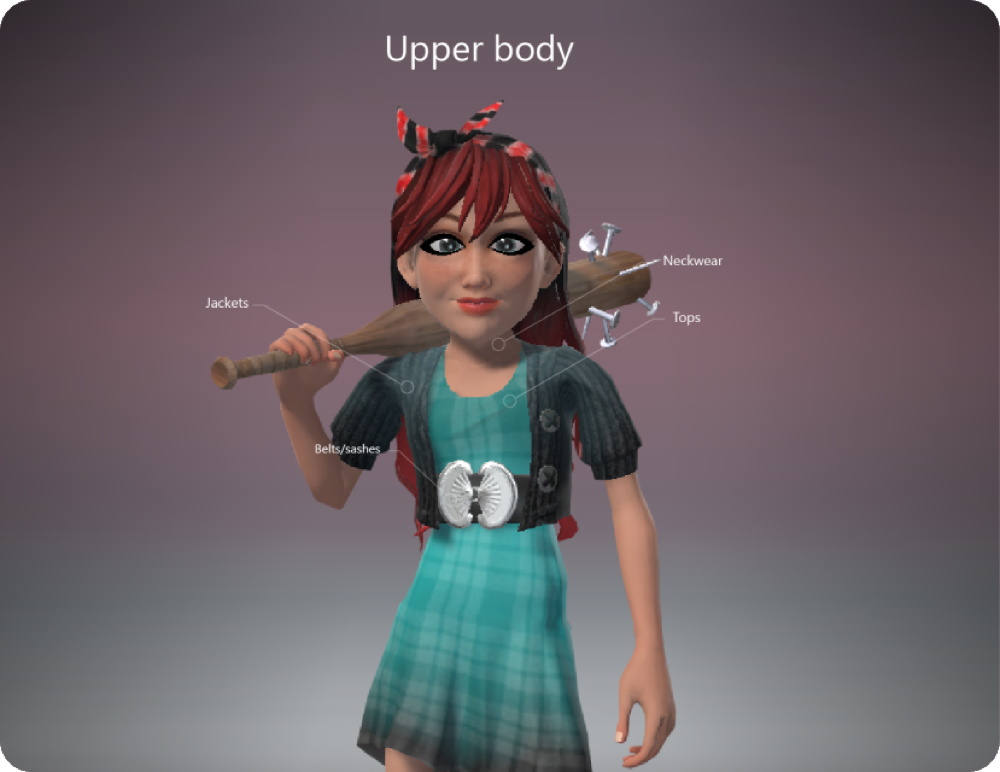
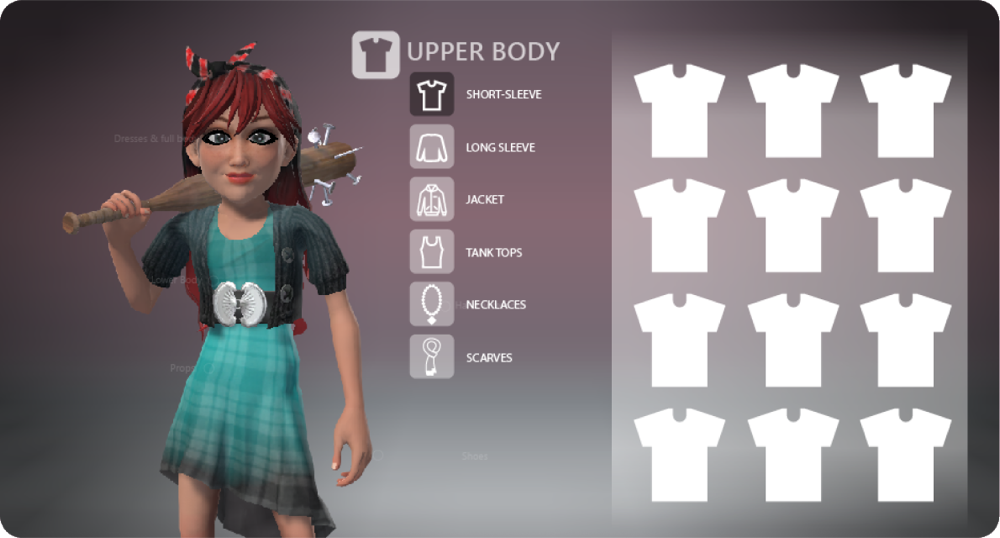
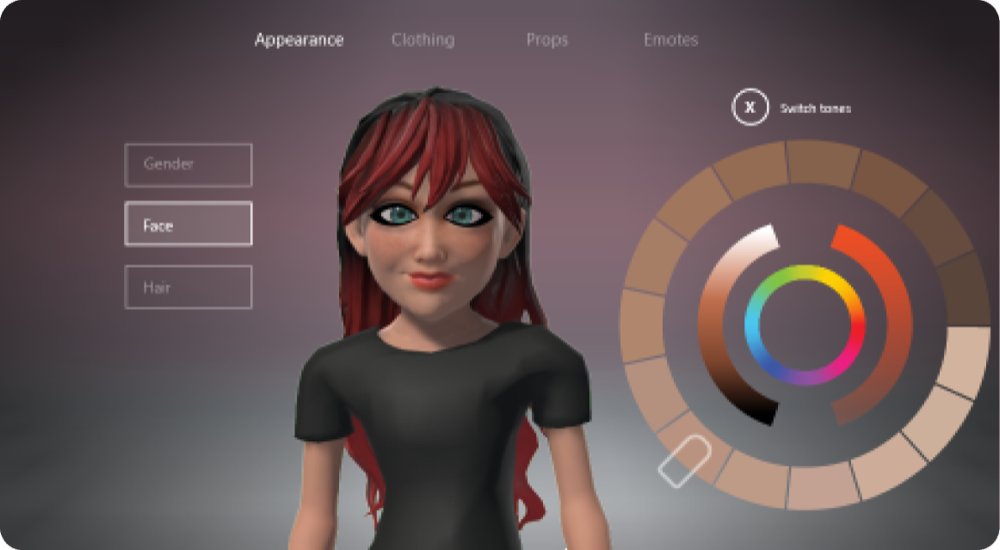
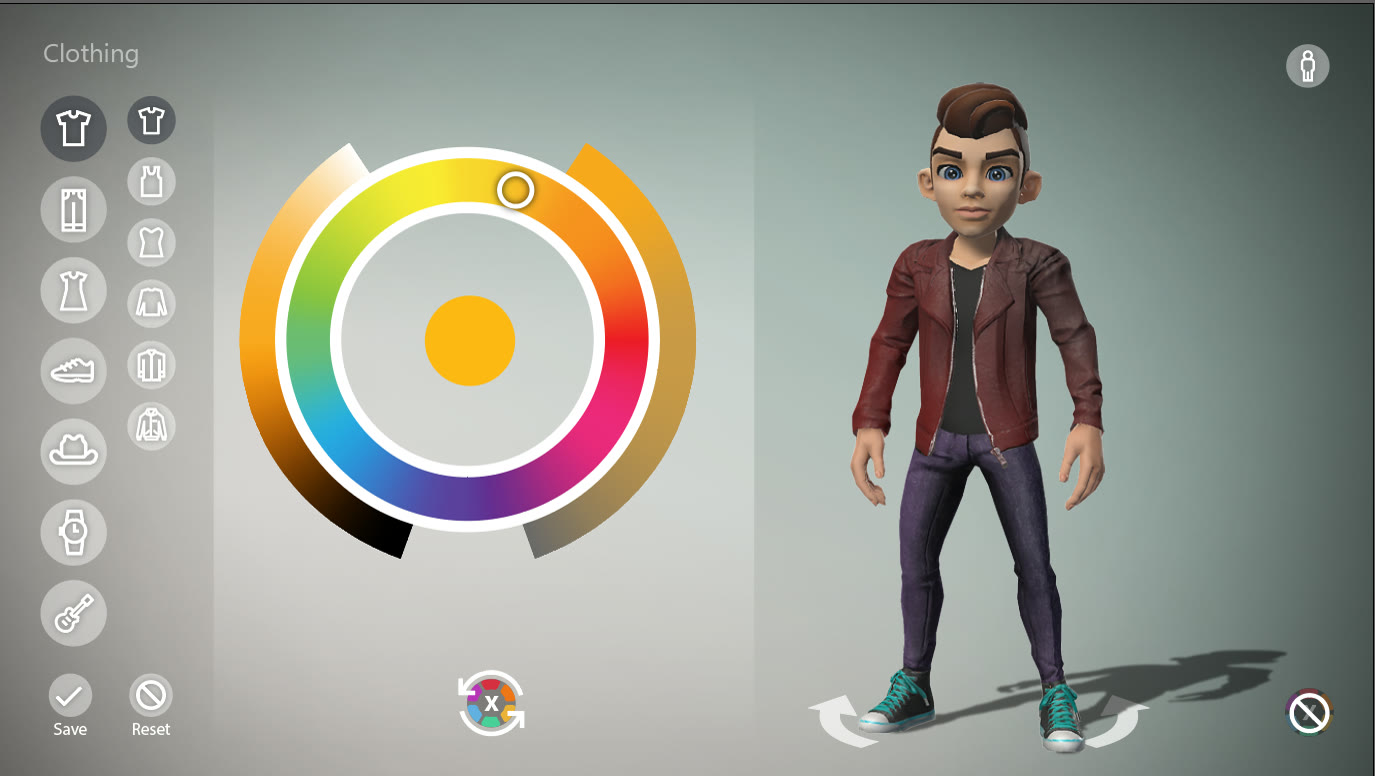
The refined models were where customization stood when I left. Not final, but simple enough for our working Unity build, so developers could start on interactions and avatar motion.
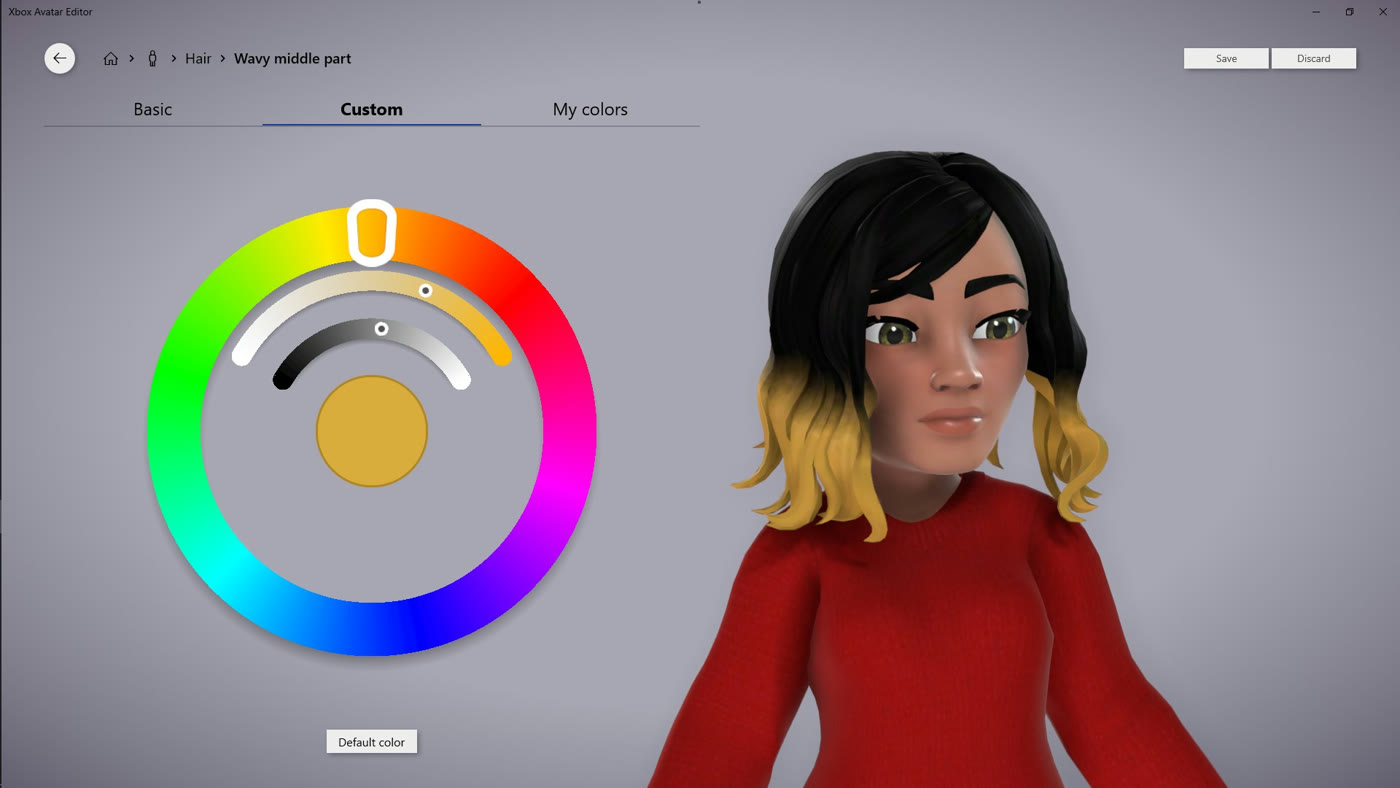
The color wheel had to work with both a mouse and keyboard and a game controller, since the dashboard ran on Xbox and PC.
A vision for the Xbox One dashboard
This became a future-vision presentation for Phil Spencer, the head of Xbox: what could avatars look like across the Xbox One dashboard, and how could they be more integrated and interactive? I explored them beyond your visual persona, for messaging and talking with friends, then turned the designs into motion mock-ups to sell the idea.
Outcome
Word got around to Phil Spencer, the head of Xbox. He was blown away by the presentation and excited about the path forward. It led to an Avatars 1.5 update, bringing some of the ideas into the existing avatars, and a new charge to work with the Xbox Dashboard team to make them real.
That foundation carried on after I left: Xbox later debuted its new avatars, built around inclusion, with options like prosthetic limbs and wheelchairs, to coverage across the gaming press.